
A number of Christian organisations have expressed anger and disappointment after Reform UK staged a press conference at Church House in Westminster, a building closely linked to the Church of England.
The controversy centres on the party’s immigration policies, which critics say contradict Christian teachings on compassion, hospitality and social justice.
Why the Venue Sparked Backlash
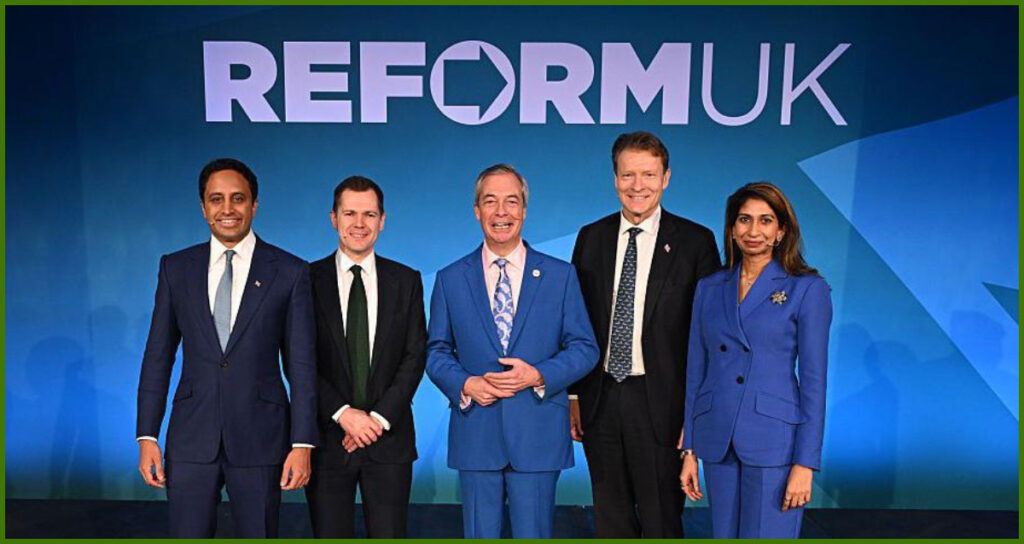
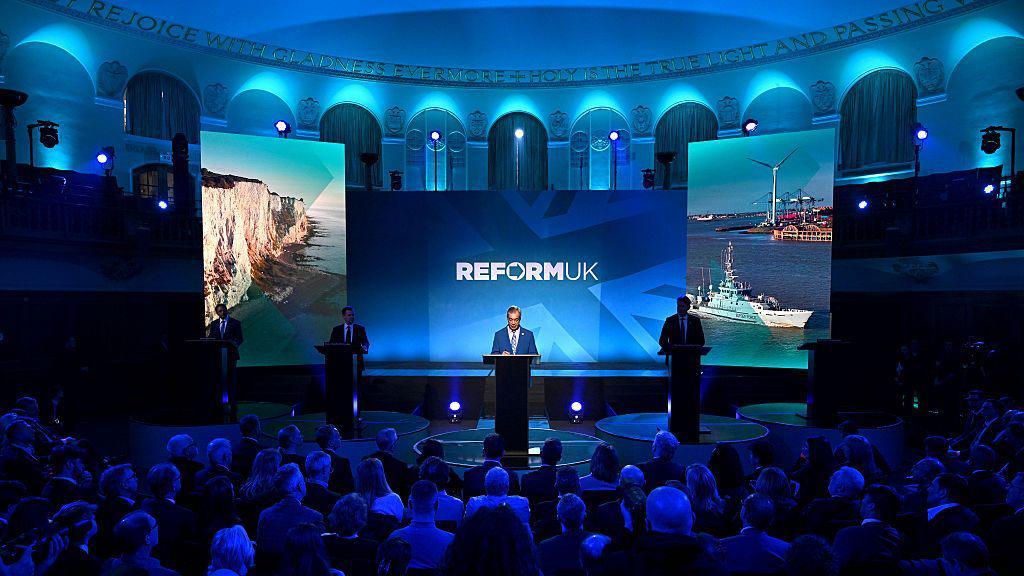
Reform UK leader Nigel Farage unveiled his new leadership team during the event in the Assembly Hall at Church House Westminster last week.
The decision quickly drew criticism from faith-based campaigners, including Christians for a Welcoming Britain, which described itself as “outraged” that the venue was made available. The group argued that allowing the party to use the space risked creating the impression that the Church endorsed what it called “hostile policies and divisive rhetoric.”
The Assembly Hall had only recently hosted the Church of England’s national assembly, the General Synod, intensifying concerns among critics.
Reform UK Responds
Reform UK dismissed the reaction, describing the criticism as “little more than a cheap political stunt.”
The party insisted that hiring the venue was a standard commercial arrangement and rejected suggestions that the event implied religious endorsement.
Church House’s Position
Church House clarified that it operates independently on a commercial basis and is not formally part of the Church of England as an institution.
According to its lettings policy, the venue does not accept bookings from organisations that “promote racial prejudice.” Officials noted that various political parties, including the Conservatives, Labour, and Reform UK itself, have used the premises in the past.
The statement aimed to underline that bookings are handled under neutral commercial guidelines rather than theological or political considerations.
Wider Debate on Faith and Politics
The episode has reignited debate about the relationship between religious institutions and political movements, particularly on issues such as immigration and national identity.
Some Christian leaders argue that churches have a moral responsibility to speak out when policies appear to conflict with biblical teachings. Others maintain that public venues associated with faith institutions must remain open to lawful political engagement to preserve neutrality.
As immigration remains a central issue in British politics, similar tensions between faith groups and political parties may continue to surface.
FAQ
Why were Christian groups upset about the event?
They believe Reform UK’s immigration policies conflict with Christian teachings on compassion and hospitality, and that using Church House risked implying Church endorsement.
Is Church House part of the Church of England?
Church House operates commercially and states it is not formally part of the Church of England institutionally.
Have other political parties used Church House?
Yes. Multiple parties, including the Conservatives and Labour, have previously held events at the venue.