
Origin of Fugu: Ghana’s Traditional Cloth That Symbolises Identity and Resistance

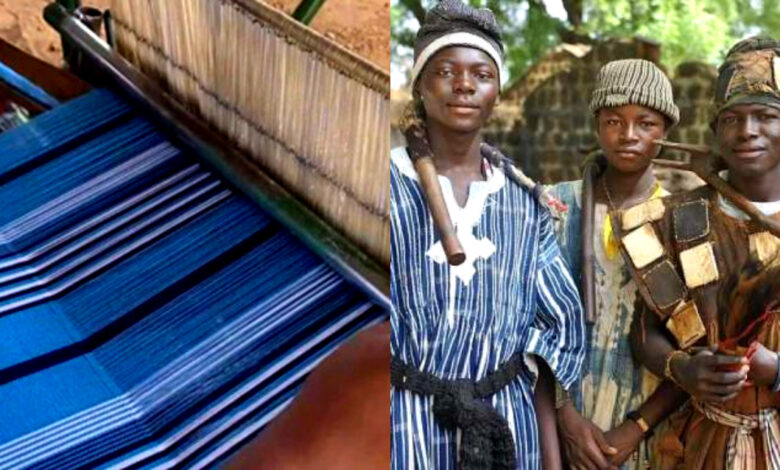
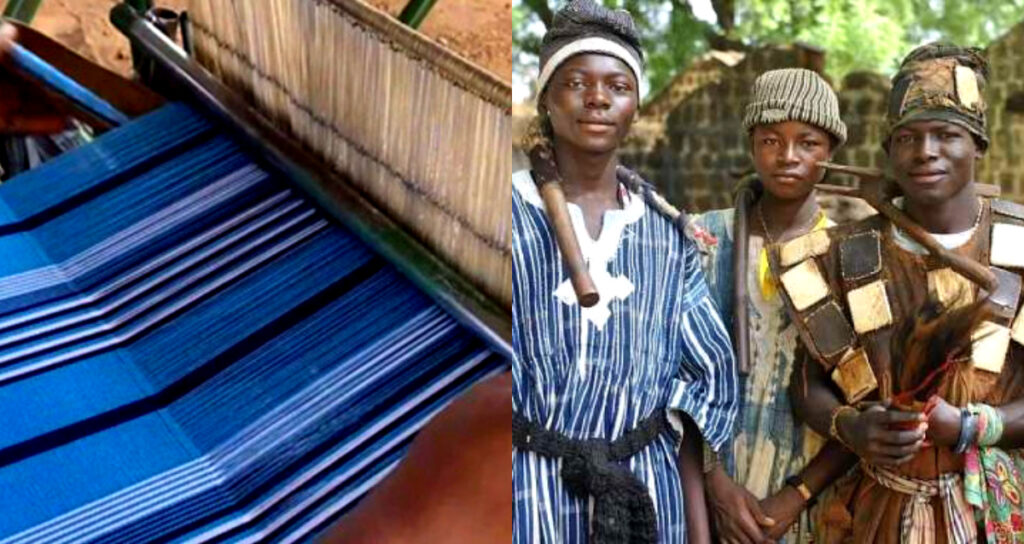
Across the vast savannahs of northern Ghana, a distinctive handwoven garment has stood the test of time. Known widely as fugu and called batakari in southern Ghana, this traditional smock represents far more than clothing. It embodies history, craftsmanship, resistance, and African identity.
Despite its cultural significance, many Africans outside Ghana know little about the garment’s origins and the story woven into every thread.
Fugu originates from northern Ghana, particularly among ethnic groups such as the Dagomba, Mamprusi, Mossi (Moshie), and other communities in the savannah belt of West Africa.
The name varies across regions:
- Fugu – derived from the Moshie word for cloth
- Bingba – the Dagomba name
- Batakari – the Asante Twi name commonly used in southern Ghana
The garment’s spread is linked to ancient trans-Saharan and regional trade routes connecting northern Ghana, Burkina Faso, Mali, and northern Nigeria. The Mossi people, who migrated from present-day Burkina Faso, and Hausa traders from northern Nigeria played important roles in expanding its influence.
These cross-border exchanges made fugu not just a Ghanaian garment, but a symbol of shared West African heritage.
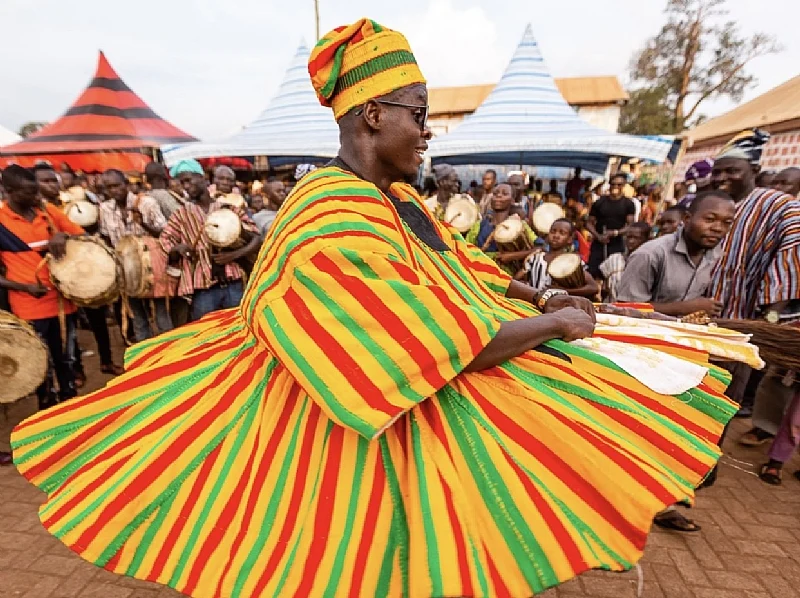
How Fugu Is Made: A Community Craft
The creation of this traditional cloth is a deeply communal and traditional process that has been preserved for centuries.
1. Cotton Preparation
Locally grown cotton is hand-spun into thread. The cotton is carefully cleaned, combed, and prepared before weaving begins.
2. Strip Weaving
Men traditionally operate narrow-strip looms. Each strip is about four inches wide and woven tightly to withstand harsh weather conditions — from the intense northern heat to cool harmattan winds.
3. Sewing and Pattern Formation
Multiple woven strips are stitched together by hand to create the full garment. The result is a distinctive striped or plaid pattern formed from dyed and undyed cotton yarns.
4. Natural Dyeing
Traditional batakari often uses plant-based dyes, including:
- Indigo leaves
- Tree bark
- Natural earth pigments
These methods are environmentally friendly and rooted in indigenous knowledge systems.
5. Embroidery and Symbolism
Skilled artisans add embroidery to the neckline and chest. These designs can signify status, clan identity, or ceremonial importance.
The knowledge of weaving is hereditary. Fathers teach their sons from a young age using simple wooden looms, ensuring that the craft survives across generations.
More Than Fashion: A Symbol of Resistance
It gained national political significance in Ghana’s independence era.
During the struggle for independence, Ghana’s first president, Dr. Kwame Nkrumah, wore batakari as a statement of African pride and rejection of colonial dress codes. The garment became associated with nationalism, dignity, and cultural confidence.
In post-independence Ghana, wearing fugu symbolised:
- Resistance to colonial cultural domination
- Reclaiming African identity
- Pride in indigenous craftsmanship
Today, politicians, traditional rulers, and citizens wear fugu during national events and cultural celebrations.
Fugu in Modern Ghana
In recent years, fugu has evolved beyond ceremonial use.
Contemporary designers now incorporate fugu fabric into:
- Modern suits
- Dresses
- Jackets
- International fashion collections
The cloth has appeared on global runways and is increasingly recognised as a symbol of African luxury and sustainability.
However, many artisans in northern Ghana still rely on small-scale production, facing competition from machine-made imitations.
Preserving authentic handwoven fugu remains critical to protecting cultural heritage and supporting local economies.
Why Many Africans Do Not Know Its Story
Although fugu is widely worn in Ghana, its deeper history is rarely taught across Africa. Colonial narratives often sidelined indigenous craftsmanship, leaving many traditional textiles under-documented compared to Western fashion traditions.
Reviving awareness about fugu is part of a broader movement to reclaim African textile history — from kente in Ghana to mud cloth in Mali and adire in Nigeria.
A Cloth That Carries Identity
Fugu is not just fabric stitched together. It carries:
- Stories of migration
- Trade history
- Cultural survival
- Political symbolism
- Generational knowledge
Every thread woven into a fugu garment represents centuries of African ingenuity.
As Africa redefines its global cultural footprint, traditional textiles like fugu are regaining recognition as symbols of resilience and identity.
A Living Heritage
The batakari represents Ghana’s living heritage. Each stitch speaks of endurance, each dye of tradition, and each finished garment of the unbroken thread connecting Ghana’s diverse cultural landscape. From warriors to presidents, from village weavers to international fashion, the fugu continues to evolve while keeping its essential character.
The fugu teaches an important lesson about cultural pride and dignity. It shows that traditional clothing can be both practical and meaningful, both ancient and modern. As young weavers continue this craft and people worldwide embrace the garment, the fugu remains a powerful symbol of African identity, resilience, and the enduring beauty of handmade traditions.
TheAfriPost will continue highlighting untold African cultural histories that shape who we are today.




One Comment