Nigeria and China Mark 55 Years of Diplomatic Relations, Reaffirm Strategic Partnership

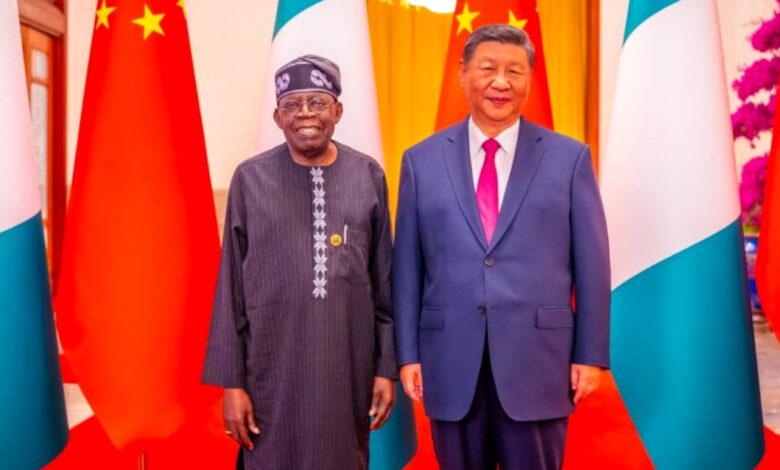
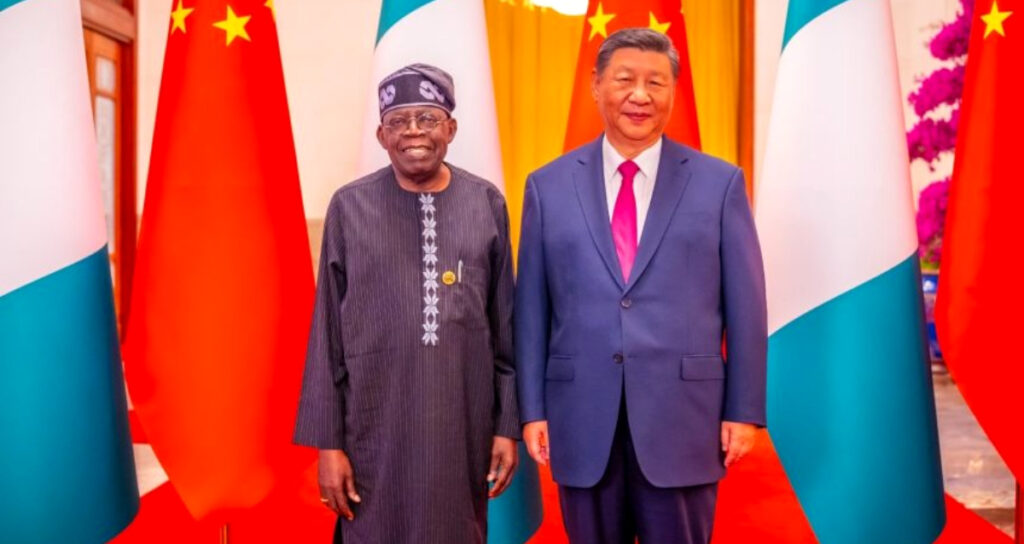
Nigeria and China have officially marked the 55th anniversary of diplomatic relations, celebrating a partnership that has grown from foundational ties in 1971 into one of Africa’s most significant bilateral alliances.
The Federal Government of Nigeria described the relationship as one built on mutual respect, solidarity, and shared development goals, highlighting decades of cooperation across infrastructure, trade, energy, and diplomacy.
The anniversary underscores China’s deepening footprint in Africa and Nigeria’s position as one of Beijing’s key strategic partners on the continent.
From Diplomatic Ties to Comprehensive Strategic Partnership
In a statement released Tuesday, the spokesperson of Nigeria’s Ministry of Foreign Affairs, Kimiebi Imomotimi Ebienfa, noted that what began as formal diplomatic engagement in 1971 has evolved into a comprehensive strategic partnership.
The relationship now includes:
- High-level political dialogue
- Expanding economic cooperation
- Cultural and educational exchanges
- Coordination in international forums
Officials emphasized that since the elevation of ties to a Comprehensive Strategic Partnership in 2024, cooperation has intensified across multiple sectors.
Infrastructure and Economic Cooperation at the Core
The West African country acknowledged China’s significant contributions to its infrastructure development.
MORE NEWS: Top 5 Most Powerful Countries in Africa (2026)
Major projects cited include:
- Lagos–Ibadan Railway
- Abuja–Kaduna Railway
- Road construction across several states
- Energy and telecommunications investments
- Agricultural modernization initiatives
These projects have played a central role in Nigeria’s transportation network expansion and broader economic modernization efforts.
China remains one of Nigeria’s largest trading partners, with trade volumes growing steadily over the past decade.
Strengthening Ties Through FOCAC and the United Nations
Beyond bilateral trade, both countries coordinate closely within multilateral platforms such as:
- The Forum on China–Africa Cooperation (FOCAC)
- The United Nations
According to Nigerian officials, the partnership extends beyond economics into global governance, security discussions, and South-South cooperation initiatives.
People-to-people exchanges, educational scholarships, and cultural engagement have also expanded in recent years.
Exchange of Congratulatory Messages
To commemorate the milestone, Nigeria’s Minister of Foreign Affairs, Ambassador Yusuf Maitama Tuggar, exchanged congratulatory messages with China’s Foreign Minister Wang Yi.
Wang Yi stated that despite global changes over the past five decades, China and Nigeria have consistently supported one another, describing the friendship as “deeply rooted in the hearts of the two peoples.”
He highlighted strengthened political trust and practical cooperation since the establishment of the comprehensive strategic partnership.
Ambassador Tuggar reaffirmed Nigeria’s recognition of China as an important strategic partner, emphasizing continued efforts to explore new areas of cooperation aligned with both nations’ foreign policy priorities.
Looking Ahead: Digital Economy, Green Energy and Security
Nigeria signaled interest in expanding collaboration into emerging sectors such as:
- Digital economy
- Green energy and renewable technology
- Manufacturing
- Security cooperation
Officials expressed confidence that the coming years would deliver stronger engagement capable of promoting stability and economic growth not only in Nigeria but across Africa.
What This Means for Africa
Nigeria’s relationship with China is often viewed as a bellwether for broader China–Africa dynamics.
As Africa’s largest economy and most populous nation, Nigeria plays a pivotal role in shaping how Chinese investment, trade policy, and diplomatic engagement unfold across the continent.
The 55-year milestone reflects not just a bilateral achievement but a broader shift in global power dynamics, where Africa’s partnerships increasingly diversify beyond traditional Western alliances.
For Africa, the question is no longer whether China is a key partner — but how African nations can leverage these partnerships strategically to maximize long-term development outcomes.
TheAfriPost will continue to track how this evolving alliance influences economic transformation, geopolitical balance, and Africa’s place in a rapidly changing global order.