Jeffrey Epstein Biography: Early Life, Wealth, Crimes, Death, and the Epstein Files Explained

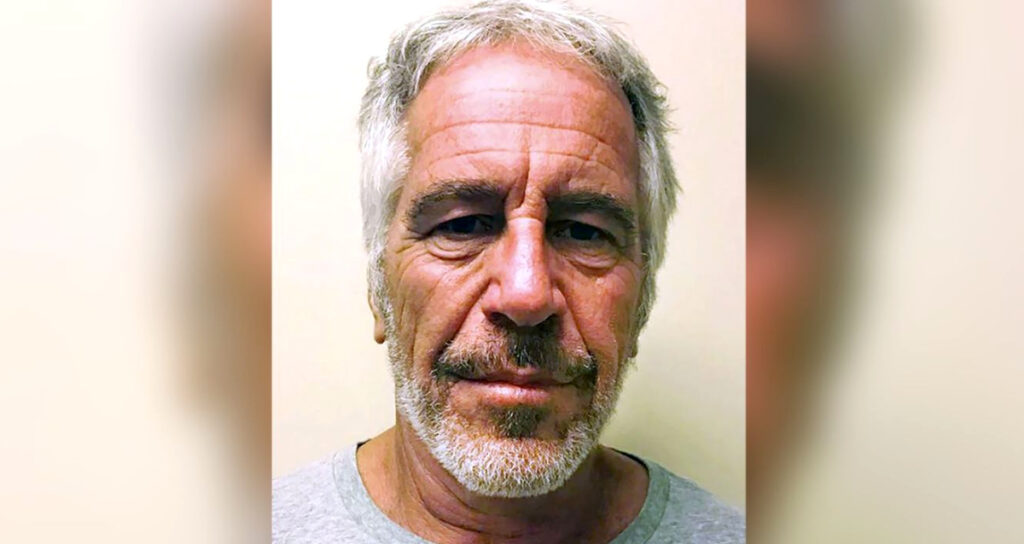
Jeffrey Epstein was an American financier and convicted sex offender. Learn about his early life, rise to wealth, criminal case, death in 2019, and the controversy over the Epstein files.
Who Was Jeffrey Epstein?
Jeffrey Epstein was an American financier and convicted sex offender whose criminal activities and high-profile connections made him one of the most controversial figures of the 21st century.
Once known for his wealth and elite social circle, Epstein’s reputation collapsed following multiple allegations of sexual abuse and sex trafficking involving underage girls. He died by suicide in a New York jail cell on August 10, 2019, while awaiting federal trial.
His death did not end public scrutiny. Instead, renewed attention focused on his powerful associates and the release of investigative documents commonly referred to as the “Epstein files.”
Jeffrey Epstein’s Early Life and Education
Jeffrey Epstein was born on January 20, 1953, in Brooklyn, New York, to a working-class Jewish family. He grew up in the Sea Gate neighborhood of Coney Island.
A gifted student with strong mathematical abilities, Epstein skipped grades in school and later attended Lafayette High School. After graduating in 1969, he enrolled at Cooper Union before transferring to New York University’s Courant Institute of Mathematical Sciences. He studied mathematics and physics but did not complete a degree.
Despite lacking formal academic credentials, Epstein secured a teaching position at the prestigious Dalton School in Manhattan in 1974. His employment there later became controversial due to reports about his unconventional behavior with students. He was dismissed after the 1975–76 school year.
Career in Finance and Rise to Wealth
After leaving teaching, Epstein entered the financial sector. He began working at Bear Stearns, where he quickly rose through the ranks despite questions surrounding his résumé and conduct.
By the early 1980s, Epstein had left the firm and established himself as a financial consultant to ultra-wealthy clients. In 1988, he founded J. Epstein & Company, a private money-management firm serving billionaires.
His most significant financial relationship was with retail magnate Leslie H. Wexner, whose business empire included brands such as Victoria’s Secret and Bath & Body Works. Managing Wexner’s assets helped Epstein amass substantial wealth.
Over time, Epstein acquired luxury properties in Manhattan, Palm Beach, New Mexico, Paris, and private islands in the U.S. Virgin Islands, including Little St. James.
Connections to Powerful Figures
As his fortune grew, Epstein cultivated relationships with influential individuals across politics, academia, business, and entertainment.
Among those publicly reported to have associated with him were:
- Bill Clinton
- Donald Trump
- Bill Gates
- Prince Andrew
Flight logs from Epstein’s private jet and photographs at social events fueled widespread public interest in his social network.
It is important to note that association alone did not necessarily imply criminal involvement, but the relationships intensified scrutiny during investigations.
Criminal Allegations and Conviction
Epstein’s legal troubles began publicly in 2005 when police in Palm Beach, Florida, investigated allegations that he had sexually abused a minor.
In 2008, he entered into a controversial plea agreement with federal prosecutors. Instead of facing federal sex trafficking charges, he pleaded guilty to state-level charges related to prostitution involving a minor. He served 13 months in jail under work-release conditions that allowed him to leave custody for extended periods.
The leniency of this plea deal drew widespread criticism in later years.
In 2019, federal prosecutors in New York charged Epstein with sex trafficking and conspiracy. He was arrested in July 2019 and denied bail.
Jeffrey Epstein’s Death in 2019
On August 10, 2019, Epstein was found dead in his jail cell at the Metropolitan Correctional Center in Manhattan. Authorities ruled his death a suicide by hanging.
His death sparked public outrage and widespread speculation due to reported security lapses, including malfunctioning cameras and missed guard checks.
Because he died before trial, many of the criminal charges against him were never adjudicated in court.
The Epstein Files Controversy
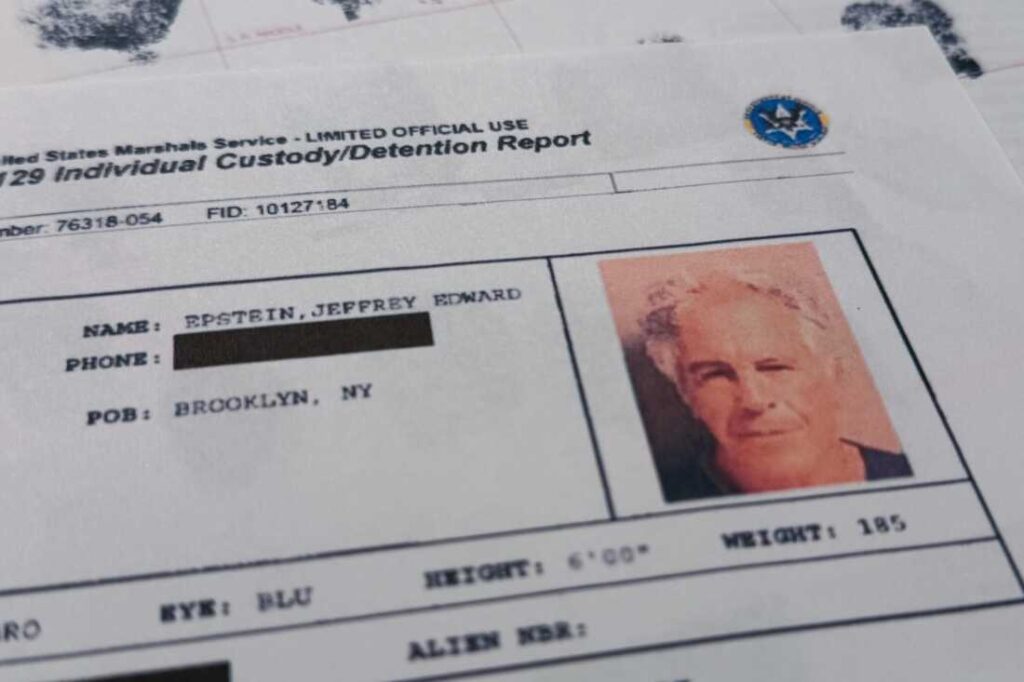
After his death, public attention shifted toward investigative records known as the “Epstein files.” These documents included court filings, depositions, flight logs, and other materials connected to his case.
Debates over whether to release these records intensified during political campaigns and public discussions about transparency and accountability.
The release of certain documents deepened public interest and controversy, particularly regarding the extent of Epstein’s network and how he operated for years before facing significant legal consequences.
Legacy and Public Impact
Jeffrey Epstein’s case reshaped conversations about:
- Sex trafficking and exploitation
- Accountability for powerful individuals
- Prosecutorial discretion and plea deals
- Institutional failures in protecting victims
His story remains a cautionary example of how influence and wealth can intersect with systemic shortcomings.
While his financial career once defined him, Epstein is now primarily remembered for the criminal case that exposed a wide-reaching network of abuse and secrecy.