
Ghanaians Embrace ‘Fugu Day’ After Online Mockery Sparks Cultural Pride Movement

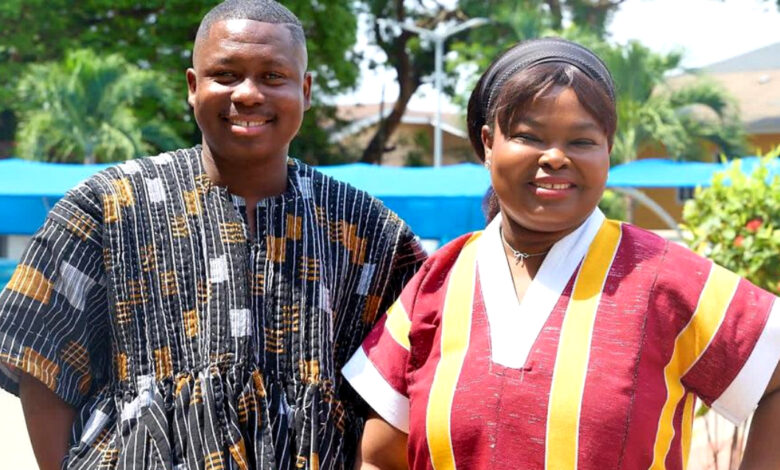
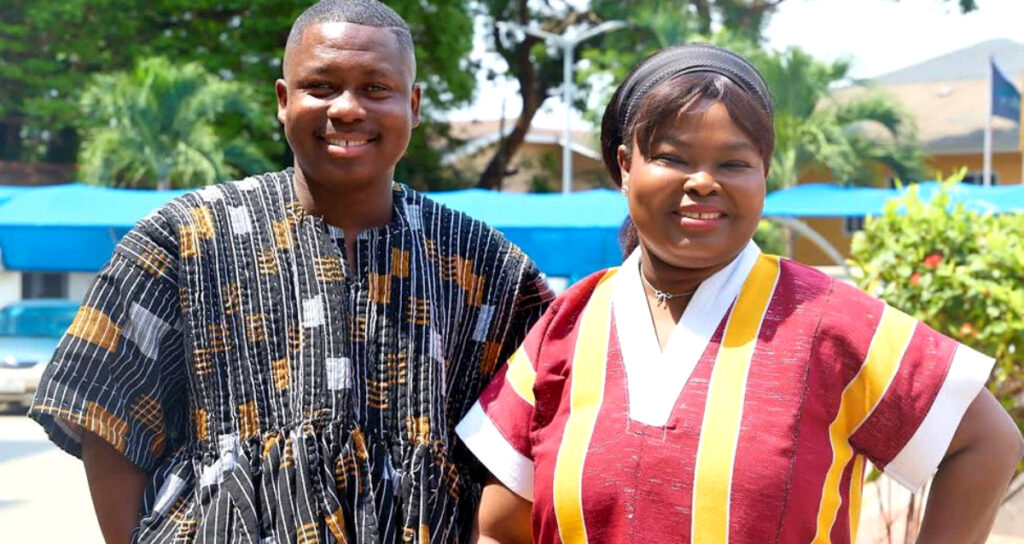
Ghanaians across the country have turned a moment of online mockery into a powerful national statement, embracing their traditional attire after the government officially designated Wednesdays as “Fugu Day.”
The decision follows President John Dramani Mahama’s recent State Visit to Zambia, where he proudly wore a traditional northern Ghanaian outfit known as fugu, a garment some social media users mockingly referred to as a “blouse.”
Rather than retreat, Ghanaians responded with pride. The movement has now evolved from online solidarity into an official weekly cultural celebration.
From Mockery to Movement
The controversy began when President Mahama arrived in Lusaka wearing fugu, also known as batakari, a handwoven smock made from narrow strips of thick cotton fabric stitched together into a structured, poncho-style garment.
While some Zambian social media users made light-hearted jabs at the outfit, Ghanaians online quickly rallied to defend the garment’s historical and cultural significance. The exchange ignited a wave of patriotic posts, with citizens, public officials, and celebrities proudly sharing photos of themselves in fugu.
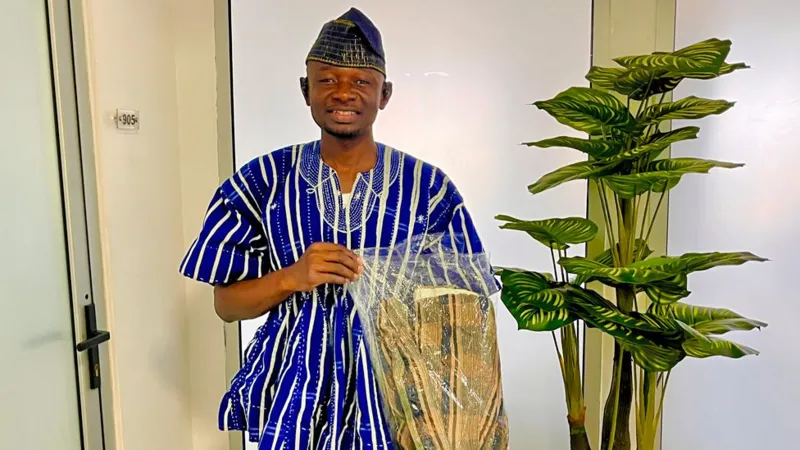
The cultural push gained further momentum when Ghana’s Tourism Minister, Abla Dzifa Gomashie, formally announced that Wednesdays would now be recognized as “Fugu Day.”
Government Backs Cultural Identity
Speaking on the initiative, Minister Gomashie said the weekly celebration would help project Ghana’s identity “with pride on the global stage.”
She encouraged citizens to wear the outfit “in all its diverse forms, designs, and expressions, complemented by its distinctive and beautiful accessories.”
According to the minister, the move goes beyond fashion.
“The government hopes that this collective embrace of fugu will strengthen national unity, stimulate the creative economy, and serve as a powerful symbol of Ghana’s cultural confidence and self-expression.”
The initiative builds on earlier efforts encouraging traditional wear, including the widely observed “Fugu Day” and previous national dress campaigns.
A Garment Rooted in History
Fugu originates from northern Ghana and has long been associated with royalty, leadership, and authority. Traditional rulers and community leaders frequently wear it during important ceremonies.
Although traditionally more common among men, often paired with matching trousers and hats, women also wear beautifully styled versions, including longer designs and dress adaptations.
The outfit carries deep historical symbolism. When Ghana became the first sub-Saharan African nation to gain independence in 1957, the country’s founding father, Dr. Kwame Nkrumah, and other leaders wore fugu during the independence celebrations.
For many Ghanaians, wearing fugu is therefore not just a fashion choice—it is an affirmation of heritage and sovereignty.
Citizens Turn Out in Large Numbers
Following the government’s announcement, cities including Accra, Kumasi, Tamale, and Cape Coast saw a colourful display of fugus in offices, markets, schools, and public institutions.
In Accra, Bismark Owusu Sarpong proudly wore his blue, white, and black striped fugu, describing it as a symbol that puts “Ghana on the map.” He also praised its comfort.
Raymond Avenor, a civil servant, agreed.
“Fugu is an easy wear. You pick it and off you go. You don’t have to iron it,” he said, noting its cultural link to northern Ghanaian royalty.
For Andrews Tetteh Zutah, who owns more than seven fugus, one day a week is not enough.
“I wish I could wear it anytime to the office. It’s one of the outfits I love most,” he said.
Economic Boost for Local Weavers
Beyond symbolism, the renewed interest is creating tangible economic benefits.
Elijah Sulemana Musah, owner of a fugu factory, says demand has surged significantly.
He reports receiving orders from prominent Ghanaian musicians such as Okyeame Kwame and Kwabena Kwabena, as well as interest from buyers outside Ghana, including Zambia.
“I’ve had calls coming in from several places both within and outside Ghana,” he said, noting that international demand is rising.
The initiative is expected to:
- Increase income for local weavers
- Support textile artisans
- Boost small fashion businesses
- Expand Ghana’s cultural exports
Industry observers say consistent government backing could help position fugu as a major African fashion export.
Social Media Sparks Cultural Renaissance “Fugu Day”
The online exchanges between Ghanaians and Zambians also led to a broader celebration of African heritage. While Ghanaians showcased their fugus, Zambians highlighted their traditional attire known as siziba.
What began as playful banter has transformed into a cross-border cultural appreciation moment.
Many analysts describe the development as part of a wider African cultural renaissance, where younger generations are reclaiming traditional identity in the digital age.
A Statement of Cultural Confidence
Fugu Day signals more than weekly attire, it represents Ghana’s determination to define its identity on its own terms.
By institutionalising a tradition that began as a social media movement, Ghana has turned criticism into cultural capital.
As Africa increasingly shapes global conversations around fashion, identity, and heritage, initiatives like Fugu Day show how cultural pride can move from online debate to national policy.
TheAfriPost will continue spotlighting African traditions that redefine identity, strengthen unity, and inspire economic transformation across the continent. We also support the “Fugu Day.”