
Bumpy Johnson Biography: The Rise and Legacy of Harlem’s Notorious Crime Boss

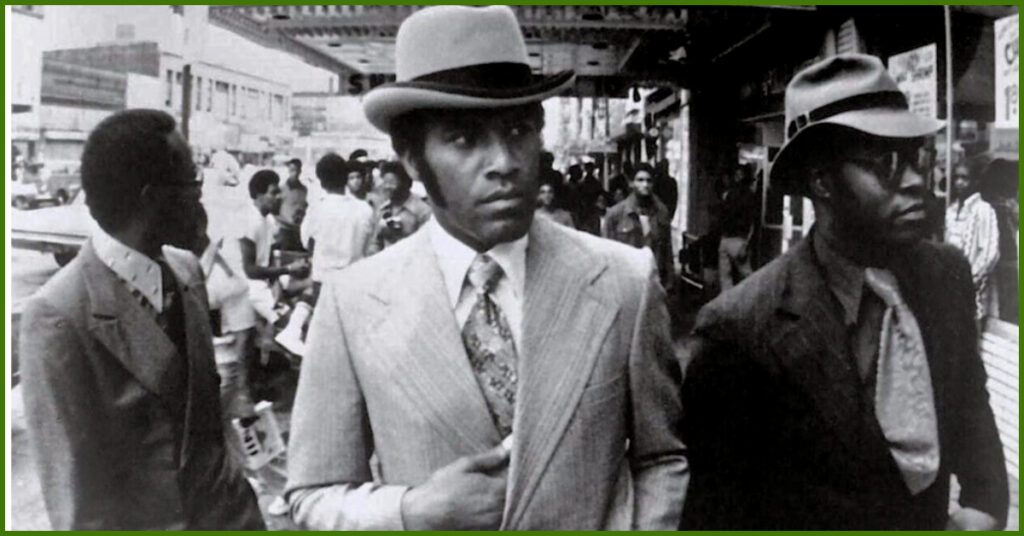
Bumpy Johnson was one of the most influential underworld figures in 20th-century Harlem. A feared enforcer, strategic negotiator, and controversial community benefactor, Johnson rose from poverty in South Carolina to become the dominant crime boss in Harlem. His alliances with figures like Stephanie St. Clair and Charles Lucky Luciano helped reshape organized crime in New York City.
Though remembered for racketeering and narcotics operations, Johnson’s legacy is complex—balancing criminal enterprise with acts of generosity that earned him the nickname “Harlem’s Robin Hood.”
Early Life and Background
Ellsworth Raymond Johnson was born on October 31, 1905, in Charleston, South Carolina. He earned the nickname “Bumpy” because of a noticeable bump on the back of his head.
After his older brother became wanted for killing a white man in the segregated South, Johnson—still a child—was sent to Harlem, New York, for safety. Life in Harlem offered opportunity but also harsh realities. Racism, street violence, and poverty shaped his early years.
A high school dropout, Bumpy Johnson drifted toward street life, taking odd jobs while building a reputation as a tough and capable fighter. His temper and determination made him stand out.
NEXT BIO: Tim Very Biography: Manchester Orchestra Drummer and Creative Force
Entry Into Organized Crime
Bumpy Johnson’s criminal career began under local gangster William “Bub” Hewlett. He worked as a bodyguard for illegal gamblers and quickly gained a reputation for loyalty and intimidation.
However, burglary, pimping, and other crimes led to prison time. By age 30, Johnson had already spent nearly half his life behind bars.
Alliance With Stephanie St. Clair
After his release in 1932, Johnson aligned himself with Harlem’s powerful numbers queen, Stephanie St. Clair. Known as “Madam Queen,” she controlled the lucrative policy racket (illegal lottery).
Johnson became her chief enforcer, waging violent battles against white mob boss Dutch Schultz, who sought control of Harlem’s gambling operations.
When Schultz was assassinated in 1935—on orders widely attributed to Lucky Luciano—the power dynamic shifted. Johnson negotiated a deal with Luciano that allowed him to maintain operational control of Harlem’s rackets, while sharing profits with what later became the Genovese crime family.
For many in Harlem, Bumpy Johnson’s ability to negotiate with the Italian Mafia symbolized a rare assertion of Black power within organized crime.
The “Godfather of Harlem”
Bumpy Johnson ruled Harlem’s underworld for decades. While feared for his ruthlessness, he was also admired for supporting his community.
He reportedly:
- Distributed free turkeys during Thanksgiving
- Paid rent for struggling families
- Provided financial help to local residents
This dual reputation—as both criminal mastermind and community benefactor- cemented his legendary status.
Bumpy Johnson later mentored Frank Lucas, who would rise to prominence in the heroin trade during the late 1960s and 1970s.
Prison Sentence and Alcatraz
In 1951, Johnson was convicted of heroin conspiracy and sentenced to 15 years in federal prison. He served much of his sentence at Alcatraz Federal Penitentiary in California.
He was released in 1963 but remained under constant police surveillance. In 1965, frustrated by harassment, he staged a sit-in protest at a police station. Though charged, he was later acquitted.
Portrayals in Film and Television
Johnson’s life has inspired numerous Hollywood portrayals:
- The Cotton Club
- Hoodlum
- American Gangster
On television, he was portrayed by Forest Whitaker in the Epix/MGM+ series Godfather of Harlem, which dramatizes his later years.
Marriage to Mayme Hatcher
Johnson married Mayme Hatcher in 1948. Born in North Carolina in 1914 (some sources cite 1915), Hatcher moved to New York in 1938. The couple met shortly after Johnson completed a prison sentence and married just three months later.
After his death, Hatcher authored the memoir Harlem Godfather, offering insight into Johnson’s private life.
Death
On July 7, 1968, Bumpy Johnson died of a heart attack while dining at a Harlem restaurant. He was 62 years old. According to accounts, he collapsed in the presence of close associates.
His death marked the end of an era in Harlem’s organized crime history.
Legacy
Bumpy Johnson remains one of the most discussed figures in American criminal history. His story sits at the crossroads of race, power, organized crime, and community politics in mid-20th-century New York.
To some, he was a ruthless racketeer.
To others, he was a protector who stood up to the white-dominated Mafia.
Either way, his influence on Harlem’s underworld—and American pop culture—remains undeniable.



2 Comments