Walt Disney Net Worth: How the Entertainment Pioneer Built a Billion-Dollar Legacy

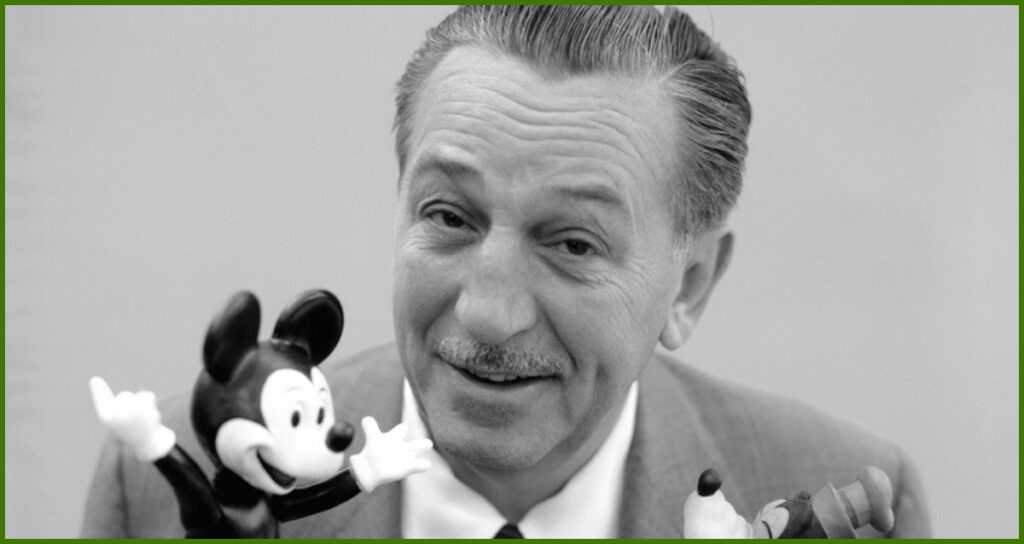
What Was Walt Disney’s Net Worth?
At the time of his death in 1966, Walt Disney had an estimated net worth of $100–$150 million. Adjusted for inflation, that equals approximately $1 billion to $1.5 billion in today’s dollars.
Much of his fortune came from his ownership stake in The Walt Disney Company, along with valuable intellectual property rights, film assets, and real estate holdings. His personal stake in the company alone would be worth hundreds of millions, if not billions, by modern valuation standards.
Although Disney passed away before witnessing the full global expansion of his empire, his financial and creative legacy laid the groundwork for one of the largest entertainment corporations in history.
Walt Disney Wealth Overview
| Category | Details |
|---|---|
| Full Name | Walter Elias Disney |
| Born | December 5, 1901 |
| Died | December 15, 1966 |
| Age at Death | 65 |
| Estimated Net Worth (1966) | $100–$150 million |
| Inflation-Adjusted Net Worth | ~$1B–$1.5B |
| Primary Income Source | Film production, animation, theme parks |
| Major Asset | Ownership stake in The Walt Disney Company |
Early Life and Humble Beginnings
Walt Disney was born in Chicago’s Hermosa neighborhood and raised in Marceline, Missouri — a town that would later inspire the nostalgic charm of Disneyland’s Main Street, U.S.A.
From a young age, Disney showed artistic talent. He took drawing classes at the Kansas City Art Institute and later attended the Chicago Academy of Fine Arts. His early career included working at the Kansas City Film Ad Company, where he developed a passion for animation alongside fellow artist Ub Iwerks.
After an early animation venture went bankrupt, Disney moved to Hollywood in 1923, a decision that would change entertainment history forever.
The Rise of Mickey Mouse and the Animation Empire
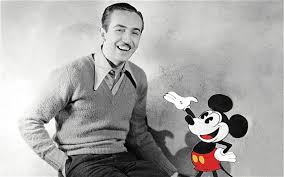
In 1928, Disney introduced the world to Mickey Mouse in “Steamboat Willie,” one of the first synchronized sound cartoons. This innovation revolutionized animation.
He followed with groundbreaking feature-length films, including:
- Snow White and the Seven Dwarfs
- Pinocchio
- Fantasia
- Cinderella
- Sleeping Beauty
“Snow White,” released in 1937, grossed $6.5 million by 1939 — an extraordinary sum during the Great Depression.
Disney consistently reinvested profits into innovation, including the multiplane camera system and the blending of live-action with animation.
The Rise of Mickey Mouse and the Animation Empire
In 1928, Disney introduced the world to Mickey Mouse in “Steamboat Willie,” one of the first synchronized sound cartoons. This innovation revolutionized animation.
He followed with groundbreaking feature-length films, including:
- Snow White and the Seven Dwarfs
- Pinocchio
- Fantasia
- Cinderella
- Sleeping Beauty
“Snow White,” released in 1937, grossed $6.5 million by 1939 — an extraordinary sum during the Great Depression.
Disney consistently reinvested profits into innovation, including the multiplane camera system and the blending of live-action with animation.
Expanding Beyond Film: Disneyland and Theme Parks
Inspired by Tivoli Gardens in Denmark, Disney envisioned a family-friendly theme park that offered immersive storytelling experiences.
In 1955, Disneyland opened in Anaheim, California. Within one year, it welcomed 3.6 million visitors.
Disney personally funded much of the early development through WED Enterprises (now Walt Disney Imagineering), using his own money and leveraging television programs like “Disneyland” and “The Mickey Mouse Club” to generate financing.
Although he passed away before seeing the completion of Walt Disney World in Florida, his blueprint shaped the future of global theme park entertainment.
Academy Award Record
Walt Disney remains the most decorated individual in Academy Awards history.
He won:
- 22 competitive Oscars
- 4 honorary Academy Awards
- 59 nominations overall
Between 1931 and 1939, Disney won 10 Oscars in eight consecutive years, a record that still stands.
Major Income Sources
1. Disney Production Company Equity
His largest asset was his ownership stake in The Walt Disney Company, controlling intellectual property, animation studios, and distribution rights.
2. Film Royalties & Licensing
Disney’s characters generated revenue through licensing, merchandise, and syndication — an early form of brand monetization now common in global entertainment.
3. Theme Park Revenue
Disneyland became a long-term income engine, generating ticket sales, concessions, merchandise, and resort profits.
4. Television Ventures
His weekly TV shows expanded audience reach and built brand loyalty worldwide.
Real Estate Holdings
Disney built a family home in Los Angeles in 1932, later moving to an estate in Holmby Hills.
The Holmby Hills property reportedly sold decades later for $74 million. His original Los Angeles home, once sold for $3.7 million, has since appreciated significantly.
Estate Distribution and Legacy
Upon his death in 1966:
- 45% of his estate went to his wife and children via family trust
- 10% went to extended family
- 45% established a charitable foundation
Much of the charitable funding supported California Institute of the Arts (CalArts).
His widow, Lillian Disney, later donated hundreds of millions to philanthropic causes, including funding the Walt Disney Concert Hall in Los Angeles.
Thelma Howard: The Millionaire Housekeeper
One of the most fascinating wealth stories tied to Disney involves his longtime housekeeper, Thelma Pearl Howard.
Each Christmas, Walt gifted her shares of Disney stock. She never sold them.
By the time she died in 1994, she owned 193,000 shares worth $9.5 million — demonstrating the extraordinary long-term value of Disney equity.
Inflation Comparison: How Rich Would Walt Disney Be Today?
If Walt Disney’s estate had remained invested in company shares at current market valuations, financial analysts estimate his net worth today could comfortably exceed $5–10 billion, depending on ownership percentage and dilution.
However, much of his estate was distributed to heirs and charitable causes.
Frequently Asked Questions
What was Walt Disney’s net worth when he died?
He was worth approximately $100–$150 million in 1966, equivalent to $1–$1.5 billion today.
Who inherited Walt Disney’s money?
His wife, children, extended family, and charitable foundations received portions of his estate through trusts.
Was Walt Disney a billionaire?
In inflation-adjusted terms, yes. His wealth would qualify him as a billionaire by today’s standards.
How did Walt Disney make his money?
Through animation films, intellectual property ownership, theme parks, television ventures, and company equity.
Conclusion
Walt Disney was not just an animator; he was a visionary entrepreneur who transformed storytelling into a global business empire.
His ability to combine technology, emotional storytelling, and long-term brand control built one of the most profitable entertainment companies in history. From Mickey Mouse to Disneyland, Disney’s financial legacy continues to grow decades after his passing.
For entrepreneurs across Africa, Asia, the UK, and the United States, Walt Disney’s journey demonstrates how creativity, ownership, and intellectual property can create generational wealth.