Italy Approves Tough Anti-Immigration Package Including Potential Naval Blockade

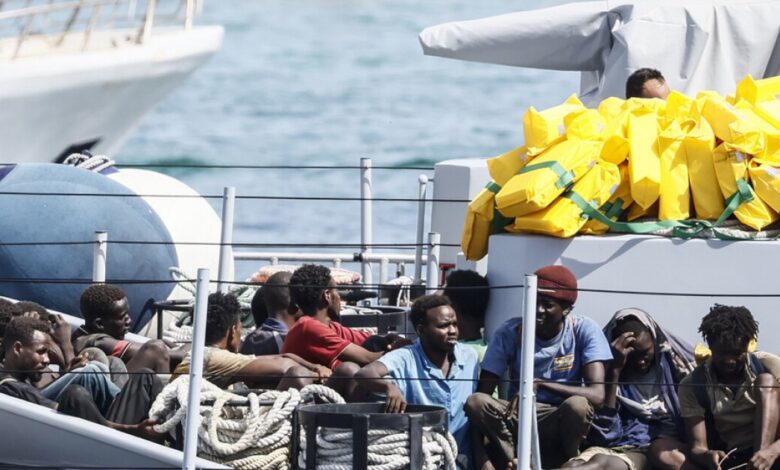
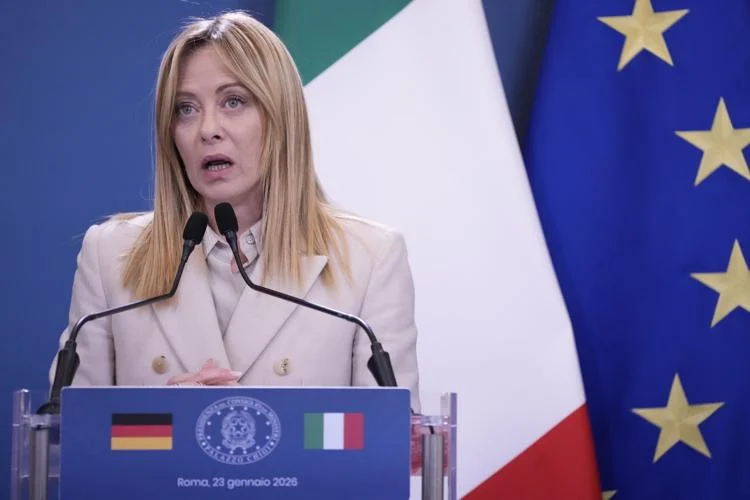
Italy’s conservative government, led by Prime Minister Giorgia Meloni, has approved a sweeping new anti-immigration package that includes the possibility of imposing a so-called “naval blockade” to prevent migrant vessels from entering Italian waters.
The decision, taken during a cabinet meeting on Wednesday, signals a further hardening of Italy’s migration stance as European governments face continued pressure over border control and asylum systems.
The proposed measures still require approval from both chambers of the Italian parliament before becoming law, but they already mark one of the most assertive migration policies advanced by Rome in recent years.
What the New Anti-Immigration Package Includes
The legislation introduces a series of stricter border control measures, including:
- Enhanced maritime surveillance
- Broader cooperation with European border agencies
- Expanded grounds for expelling foreign nationals with criminal convictions
- Temporary bans on vessels entering Italian territorial waters
The most controversial provision allows authorities to block boats from Italian waters for up to 30 days in cases deemed a “serious threat to public order or national security.” The measure could be extended for up to six months.
According to the draft text, a ban could be applied in situations where authorities believe there is a concrete risk of terrorist infiltration or when migrant arrivals significantly increase to levels that strain border management systems.
Officials argue the measure is necessary to maintain national security and ensure orderly migration processes.
MORE NEWS: BRABUS Opens Its World to Global Audiences With Prime Video Documentary Series
Naval Blockade: Legal and Political Debate
The term “naval blockade” has drawn immediate criticism from humanitarian groups and legal experts. Under international maritime law, ships are obligated to assist individuals in distress at sea, and critics argue that blanket bans may conflict with these obligations.
The spokesperson for Sea-Watch, Sea-Watch, expressed concern about how the policy would operate in practice.
Giorgia Linardi, representing the rescue charity, questioned the legality of preventing humanitarian vessels from fulfilling rescue duties. She argued that individuals rescued at sea are survivors entitled to protection and that pre-emptively categorising them as security threats undermines established international principles.
The proposed legislation includes financial penalties of up to $59,400 for those violating entry bans, alongside vessel confiscation for repeated breaches — provisions widely viewed as targeting humanitarian rescue organisations operating in the Mediterranean.
Transfers to Third Countries
Another significant provision would allow intercepted migrants to be transported to third countries with which Italy has established specific agreements, rather than being processed within Italian territory.
While the bill does not specify which countries could be involved, similar external processing arrangements have been debated across Europe as governments seek to reduce irregular arrivals.
Such measures have sparked legal and ethical debates about compliance with international refugee conventions and asylum rights.
EU Context and Asylum Reform
The Italian cabinet’s decision comes just one day after the European Union approved changes to its asylum framework following negotiations among member states.
Several governments, including Italy, have pushed for tougher migration management policies, arguing that frontline states disproportionately shoulder the burden of arrivals.
Since 2015, Europe has experienced significant migration flows, particularly through Mediterranean routes. The influx has reshaped political landscapes across the continent, strengthening right-leaning and nationalist parties advocating stricter border controls.
Prime Minister Meloni’s administration has consistently campaigned on a platform centred on sovereignty, border security, and reducing irregular migration.
Domestic Political Implications
Migration remains one of the most politically sensitive issues in Italy. The Mediterranean country is often one of the first European destinations for migrants departing from North Africa.
Public opinion has been sharply divided between those advocating humanitarian obligations and those calling for tighter enforcement measures.
The government maintains that the package balances humanitarian responsibilities with security concerns, insisting that lawful rescue operations can continue within regulated frameworks.
Opposition parties, however, are expected to challenge aspects of the legislation during parliamentary debate, particularly regarding compatibility with constitutional protections and international law.
Wider European Debate
The debate unfolding in Italy reflects broader tensions across Europe regarding migration governance. Governments face pressure to manage borders effectively while adhering to international humanitarian standards.
European policymakers have increasingly discussed externalising asylum procedures, strengthening border enforcement, and accelerating deportations for those who do not qualify for protection.
At the same time, humanitarian organisations warn that overly restrictive measures may place vulnerable individuals at greater risk, particularly in maritime contexts.
What Happens Next
For the package to take effect, it must be debated and approved by both chambers of the Italian parliament. Amendments are possible during this legislative process.
If enacted in its current form, the measures would represent one of the most robust maritime migration enforcement frameworks introduced by an EU member state in recent years.
The outcome could also influence migration policy debates elsewhere in Europe, particularly among governments seeking stronger border controls.
As discussions continue, legal scrutiny and political negotiations will determine how far Italy’s proposed “naval blockade” can be implemented within existing international frameworks.