Malawi Targets Inflation Below 21% as President Peter Mutharika Outlines Economic Recovery Plan

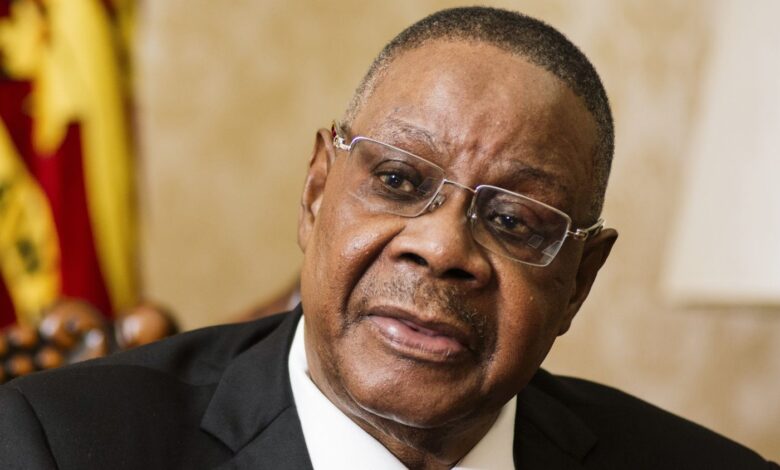
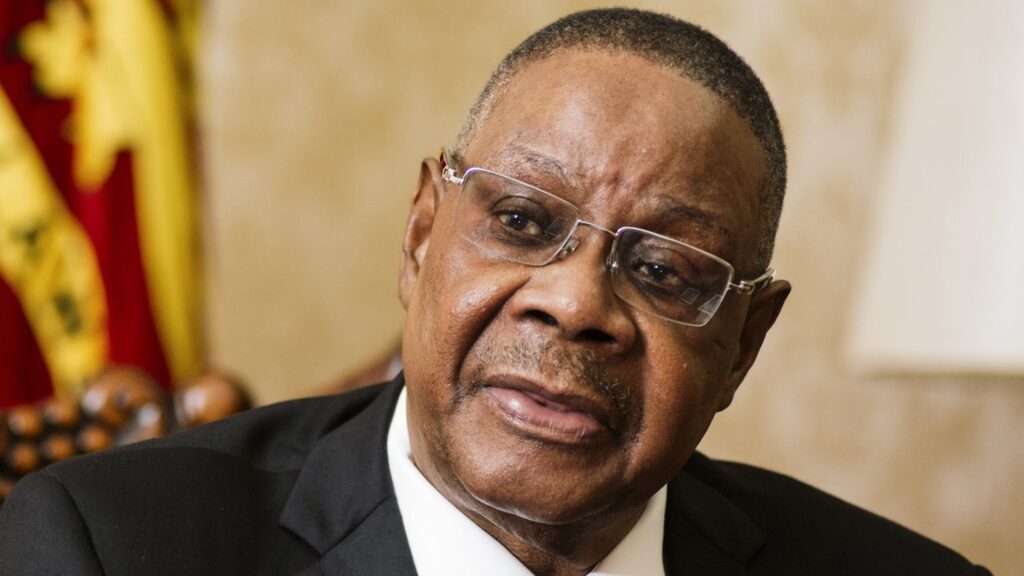
Malawi’s government is aiming to reduce annual inflation to below 21 percent this year, President Peter Mutharika announced in parliament on Friday, outlining a broader strategy to stabilise the country’s struggling economy.
The Southern African nation, heavily dependent on donor support, has faced persistent macroeconomic pressures over the past several years. Inflation currently stands at 26 percent year-on-year and has remained above 20 percent since mid-2022, significantly eroding household purchasing power and deepening economic hardship.
President Mutharika, who returned to office following September elections on promises to revive Malawi’s economic fortunes, told lawmakers that stabilising prices remains one of his administration’s top priorities.
Inflation and Cost-of-Living Pressures
Malawi’s inflation surge has been driven by multiple structural and external factors, including foreign exchange shortages, rising import costs, and supply chain disruptions. The country relies heavily on imports for fuel, fertiliser, medicines, and other essential goods, making it vulnerable to currency volatility and global price shocks.
Persistent shortages of foreign currency have disrupted access to key commodities, pushing up prices across sectors and compounding cost-of-living pressures for ordinary Malawians.
Economists say reducing inflation below 21 percent would signal a meaningful step toward restoring macroeconomic stability, though it remains a challenging target given current constraints.
Growth Projections and Economic Outlook
Beyond inflation control, President Mutharika outlined ambitious growth projections for the coming years. He told parliament that the government aims to increase economic growth to:
- 3.8 percent in 2026
- 4.9 percent in 2027
This represents a significant improvement from the 2.7 percent growth rate the administration says it inherited.
The president emphasised that improving productivity, strengthening fiscal discipline, and restoring investor confidence are central to achieving these targets.
Analysts note that Malawi’s economy remains highly exposed to climate shocks, agricultural performance, and fluctuations in global commodity prices. Agriculture accounts for a substantial share of employment and export earnings, meaning poor harvests can quickly undermine economic projections.
Foreign Exchange Crisis Remains Central Challenge
One of the most pressing economic issues facing Malawi is the shortage of foreign exchange reserves. The country’s international reserves remain below three months of import cover — a threshold widely regarded by economists as the minimum buffer required to absorb external shocks.
When reserves fall below this level, countries face increased vulnerability to currency depreciation, higher import costs, and reduced investor confidence.
President Mutharika acknowledged that rebuilding reserves is critical for stabilising the kwacha and restoring normal trade flows.
Foreign exchange shortages have led to delays in fuel imports, fertiliser procurement, and other essential goods, creating ripple effects throughout the economy.
Engagement with the International Monetary Fund
Malawi is currently negotiating a new support programme with the International Monetary Fund (IMF), while also seeking to restructure its debt obligations.
An IMF programme could unlock additional concessional financing from multilateral and bilateral partners, provided the government commits to fiscal reforms and structural adjustments.
Debt restructuring discussions are equally important. Malawi has faced mounting debt pressures in recent years, limiting its fiscal space for development spending.
Financial analysts suggest that a successful IMF agreement would likely require:
- Stronger revenue mobilisation
- Public expenditure reforms
- Improved debt management
- Enhanced transparency
Such measures, while potentially stabilising in the long term, may involve short-term economic adjustments.
Political Mandate and Reform Expectations
President Mutharika’s return to power in September came after years of economic turbulence marked by high inflation, currency instability, and fiscal imbalances. His electoral campaign focused heavily on restoring economic stability and improving living standards.
The current administration now faces the challenge of translating political promises into measurable economic results.
Reducing inflation, boosting growth, and stabilising foreign reserves will require coordinated fiscal and monetary policy measures. Observers say sustained reform implementation will be key to rebuilding public trust and restoring donor confidence.
Broader Regional Context
Malawi’s economic challenges mirror broader trends across parts of Sub-Saharan Africa, where many economies are grappling with debt pressures, currency volatility, and global economic uncertainty.
Countries heavily reliant on commodity exports and external financing have been particularly vulnerable to global shocks, including supply chain disruptions and tightening global financial conditions.
For Malawi, strengthening domestic revenue collection and diversifying the economy beyond agriculture could provide greater long-term resilience.
Outlook for 2026 and Beyond
While the government’s targets are ambitious, the path toward single-digit inflation remains gradual. Economists caution that reducing inflation from 26 percent to below 21 percent would be progress, but sustained structural reforms are necessary to bring inflation down to more stable levels over time.
Achieving projected growth rates of nearly five percent by 2027 would mark a meaningful recovery, but success will depend on improved policy execution, external financing support, and favourable global conditions.
For now, Malawi’s economic direction hinges on its ability to stabilise prices, restore investor confidence, and secure international financial backing.
The coming months will be critical in determining whether the country can move from crisis management to sustained economic recovery.